
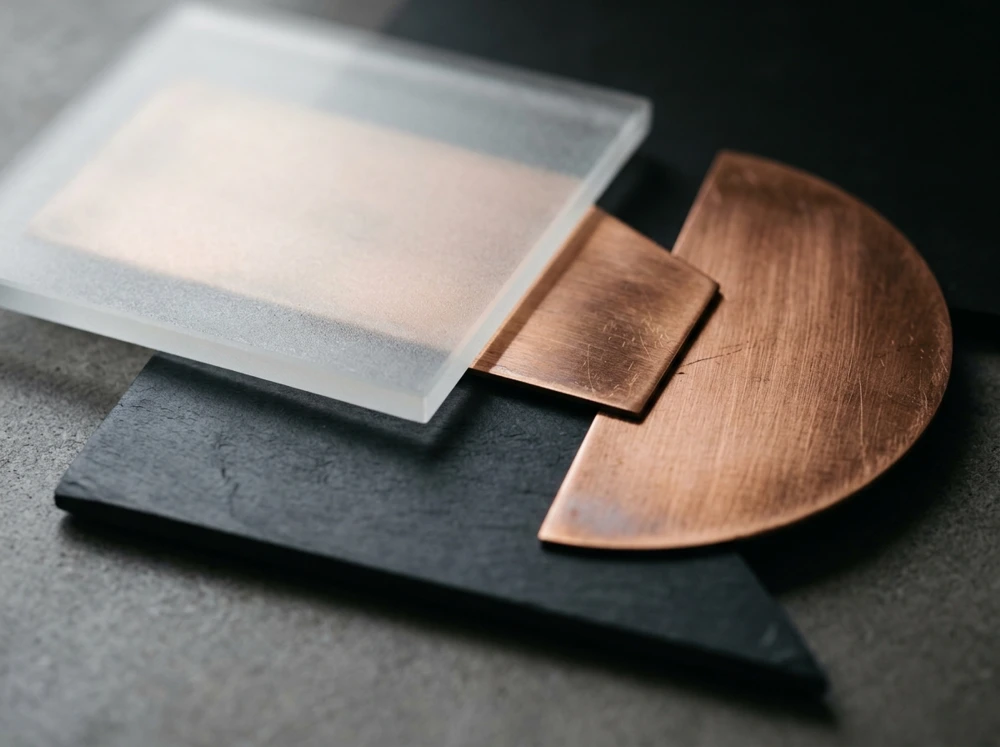
The material you choose for a sign decides far more than how it looks on the first day. It sets the production cost, how the sign survives a Dubai summer, how often it needs replacing, and how fast it can be made. Two businesses can order the exact same design and end up with completely different results, simply because one chose cast acrylic and the other chose brushed stainless steel.
That is why the acrylic vs wood vs metal signage question comes up in almost every signage enquiry we receive. This guide breaks down what each material genuinely does well, where each one struggles, and how to match the material to your business, your location, and your deadline.
What each material actually offers
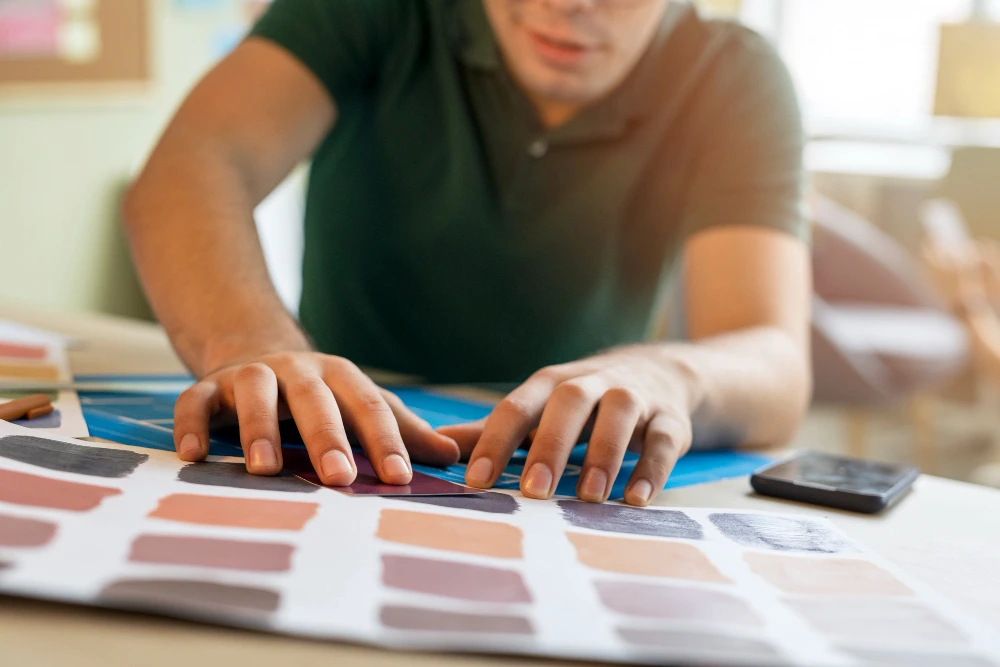
Before comparing them side by side, it helps to understand the character of each material on its own. Each one has a natural home, and most signage problems start when a material is pushed outside it.
Acrylic
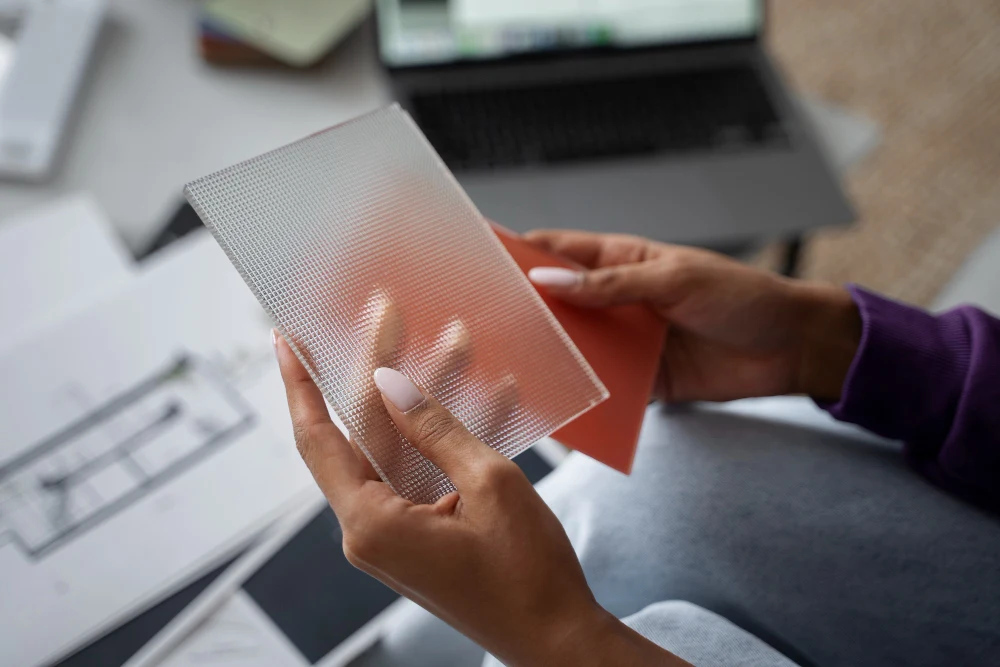
Acrylic is the default choice for modern indoor and semi-outdoor signage. It cuts cleanly, polishes to a glass-like edge, accepts LED backlighting beautifully, and comes in transparent, frosted, mirrored, and solid colour sheets. For 3D letters and reception walls, it delivers a crisp, contemporary look at a sensible price.
| Acrylic | Detail |
| Strengths | Clean laser-cut edges, wide colour range, excellent with backlighting, lightweight |
| Weak points | Scratches more easily than metal, standard sheet can yellow under constant direct sun |
| Typical thickness | 3mm to 20mm depending on letter size and mounting |
| Finishing options | Polished edge, frosted face, vinyl overlay, UV printing |
Because the quality of the edge depends entirely on the cutting process, acrylic laser cutting Dubai standards vary widely between workshops. A poorly cut letter shows burn marks and uneven edges that no amount of mounting can hide. If you are planning a reception sign or storefront lettering, our acrylic 3D letters and signboards Dubai service covers cutting, assembly, and installation in one process.
Wood
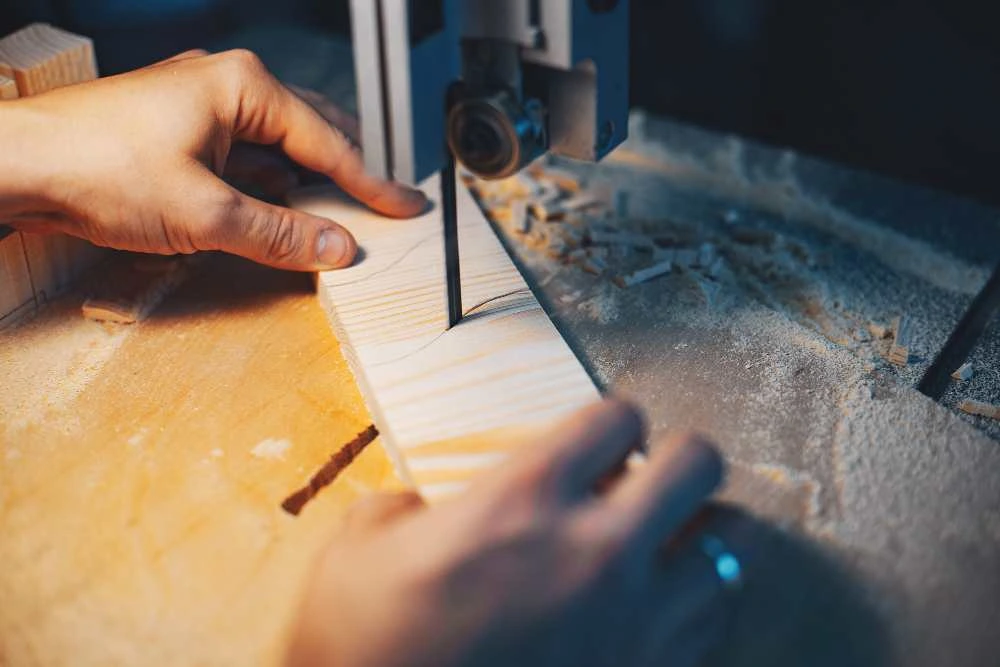
Wood brings warmth and texture that neither acrylic nor metal can imitate. It suits brands built around craft, comfort, or heritage, which is why cafés, bakeries, boutique hotels, and artisan retailers keep coming back to it. Laser engraving on wood produces a burned, tactile finish that photographs extremely well.
| Wood | Detail |
| Strengths | Warm natural texture, premium handmade feel, excellent engraving contrast |
| Weak points | Sensitive to humidity and direct sun, needs sealing, not ideal for unsheltered outdoor use |
| Common types | MDF, birch plywood, solid beech, walnut veneer |
| Finishing options | Laser engraving, stain, matte lacquer, painted face with engraved detail |
The main caution in the UAE is climate. Untreated wood exposed to coastal humidity and direct sunlight will warp, fade, or split over time. Indoors, or under a covered façade with a proper sealant, it performs very well.
Metal
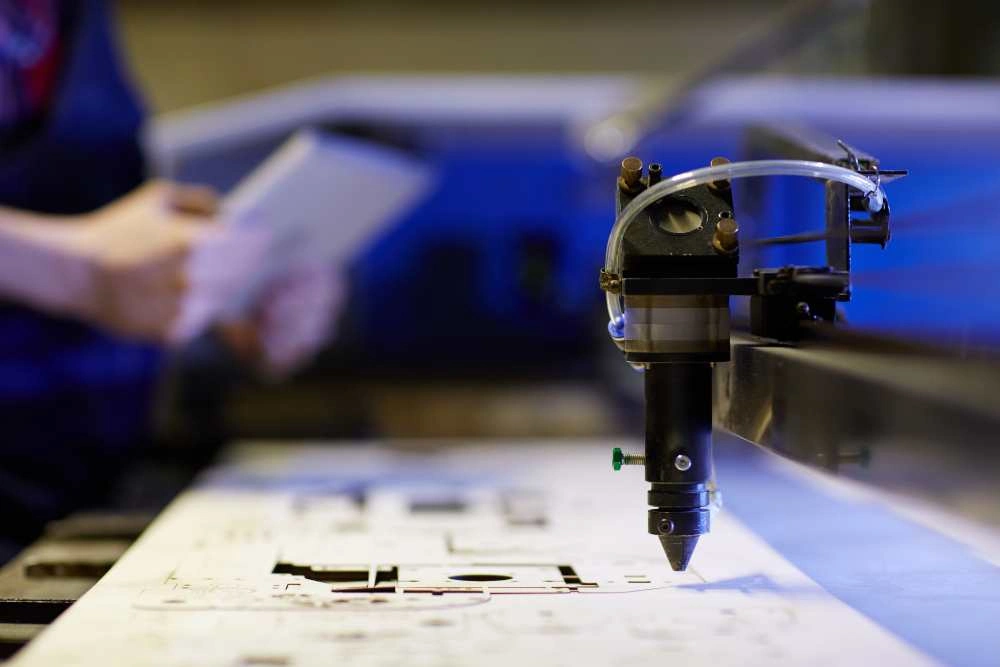
Metal is the long-term answer. Stainless steel, brushed aluminium, and brass carry a weight and permanence that customers read instantly as established and serious. For building signage, plaques, and corporate gifts, metal is the material people expect.
| Metal | Detail |
| Strengths | Highest durability, corrosion resistant grades available, premium perception |
| Weak points | Highest material and processing cost, heavier mounting requirements |
| Common types | Stainless steel 304, brushed aluminium, brass, anodised aluminium |
| Finishing options | Laser engraving, powder coating, brushed or mirror finish, LED halo lighting |
Metal also holds fine detail better than any other option, which matters for logos with thin lines or small text. Precise metal laser engraving Dubai work is what separates a plaque that looks machine-made from one that looks hand-finished.
Comparison table
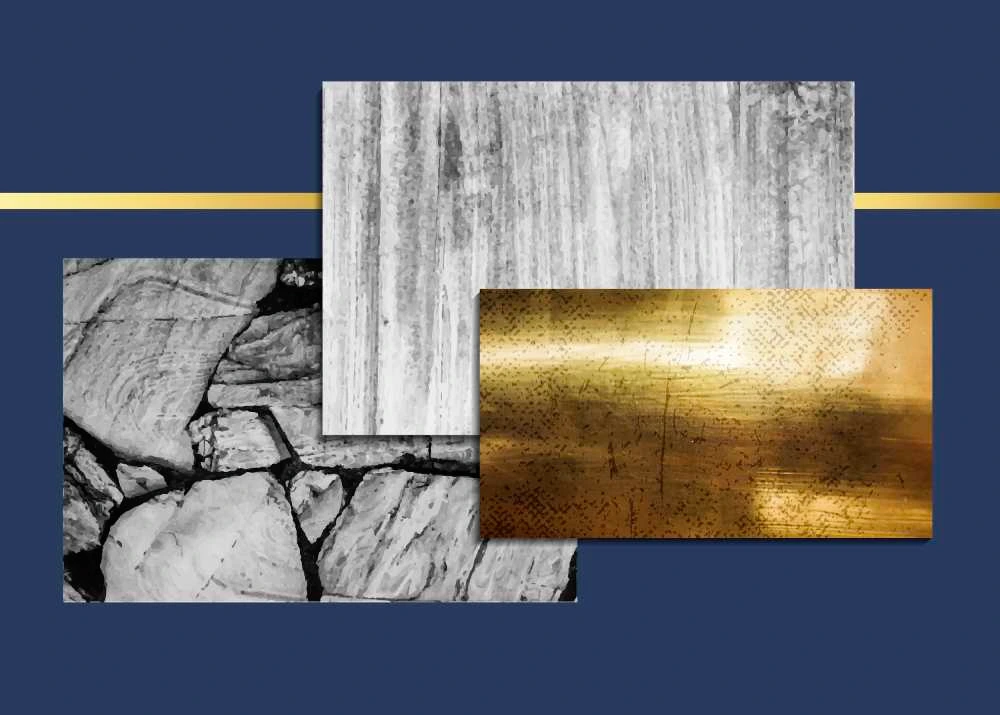
With the individual characteristics covered, the real decision becomes a trade-off between lifespan, budget, and intended placement. The table below sets the three materials against each other on the factors that actually drive the choice.
| Material | Durability | Cost | Best use |
| Acrylic | High indoors, moderate outdoors unless UV-grade sheet is used | Low to medium | Reception signs, 3D letters, backlit signage, retail displays |
| Wood | Good indoors, low in unsheltered outdoor positions | Low to medium | Cafés, restaurants, boutiques, menu boards, interior branding |
| Metal | Very high in all conditions including outdoor and coastal | Medium to high | Building façades, door plaques, corporate gifts, awards |
Read the table from the right-hand column first. Choosing the correct custom signage material Dubai businesses need starts with placement and lifespan, not with price. A cheaper material in the wrong position becomes the more expensive option once you replace it twice.
Which material fits which business
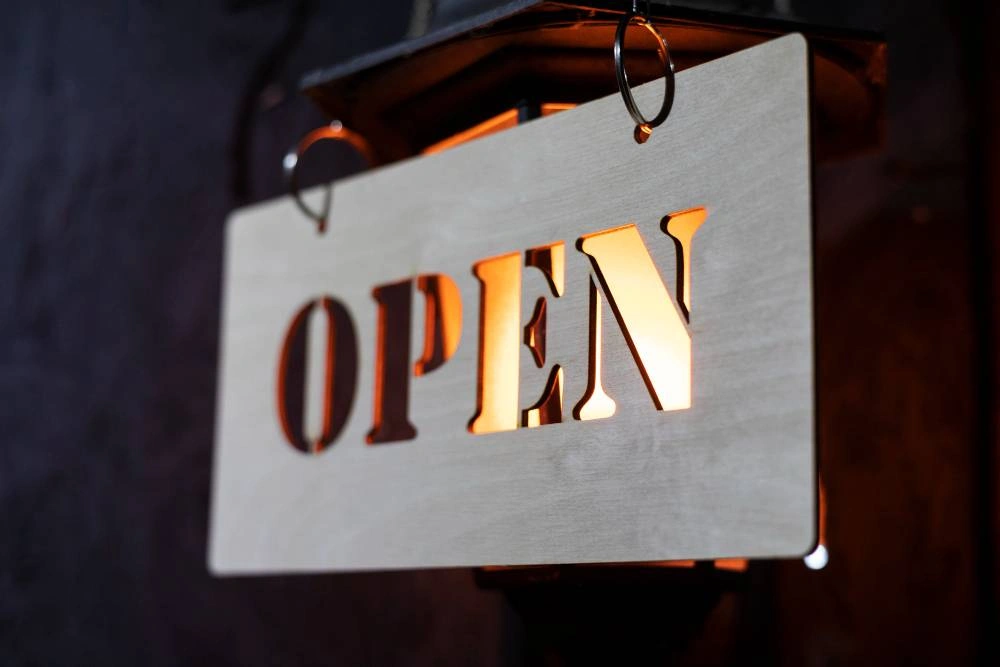
Material choice is also a branding decision. The surface itself communicates something before anyone reads the text, so the right match depends as much on positioning as on engineering.
- Modern offices, clinics, and tech companies: acrylic, usually white or black 3D letters with backlighting for a clean corporate look
- Cafés, restaurants, and bakeries: engraved wood for menu boards, wall branding, and table numbers, with acrylic for anything near wash areas
- Real estate and corporate head offices: brushed stainless steel or brass plaques that hold up outdoors and signal permanence
- Retail and shopping centre units: acrylic for the main fascia, metal for door and counter details
- Corporate gifting and awards: engraved metal and wood combinations, often paired with acrylic bases
- Exhibition stands and short-term events: acrylic and printed panels, since the sign only needs to last the duration of the show
Many projects end up using two materials together. An acrylic face with a metal frame, or wooden panels with engraved metal plates, gives you the appearance of one material and the durability of another.
Why turnaround time matters when choosing a material
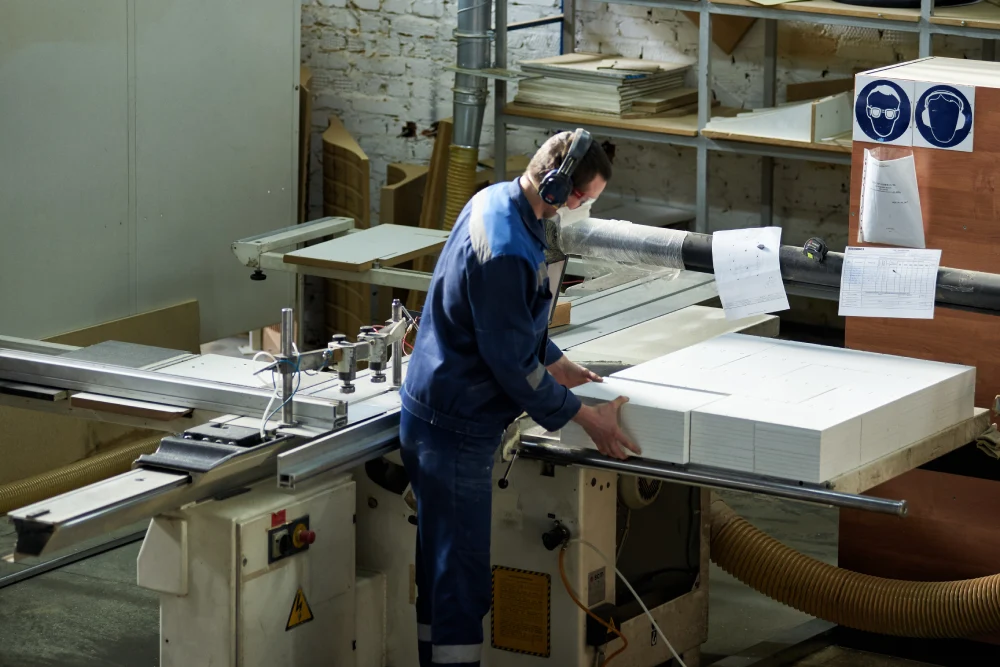
Specification is only half the decision. The other half is whether the sign can be produced before you actually need it. Each material carries a different production rhythm, and a tight deadline can quietly rule out a material you had already chosen.
| Material | Typical production factor |
| Acrylic | Fastest, cutting and assembly happen in a single in-house run |
| Wood | Moderate, engraving is quick but sealing and finishing add drying time |
| Metal | Slower, cutting, engraving, and finishing are separate stages |
This is where in-house production changes the answer. When cutting, engraving, printing, and finishing all happen under one roof, acrylic signage can move from approved artwork to installation in a fraction of the usual time, and metal work loses the delays that come from passing a job between suppliers. If your opening date or exhibition is close, read our guide to same-day laser engraving in Dubai before you lock the specification. In a genuine acrylic vs wood vs metal signage decision under deadline pressure, production speed often carries as much weight as the material itself.
FAQ
Which material lasts longest outdoors in Dubai?
Metal, without question. Stainless steel and anodised aluminium handle heat, humidity, and coastal salt air far better than the alternatives. UV-grade acrylic is a reasonable second choice for covered outdoor positions, while wood should be kept indoors or under full shelter.
Is acrylic signage cheaper than metal?
Generally yes, both in material cost and in processing. Acrylic is lighter, faster to cut, and simpler to mount. For large façade letters the gap narrows, because bigger acrylic pieces need thicker sheets and stronger fixings, which adds to the total.
Can I combine materials in one sign?
Yes, and it is often the smartest option. A common approach is an acrylic or wooden face mounted on a metal backing plate, giving you the look you want with the structural strength and weather resistance of metal underneath.
